Okay, so check this out—I’ve tried a handful of Solana wallets in the browser and Phantom keeps coming back as the one I actually use day-to-day. Wow. It feels simple at first, but there are layers to it that matter once you start using DeFi and NFTs on Solana. My instinct said “ease of use” would win, but then security and developer-friendly features sealed the deal. Initially I thought the UI was the main draw, but then I noticed the subtle UX choices that save time and headaches.
Phantom is a browser extension wallet built specifically for Solana. It sits in your toolbar, lets you manage keys locally, and connects to dApps with a couple of clicks. Really? Yep—connect, sign, done. On the other hand, there are tradeoffs to any extension wallet; browser-based keys are convenient but need careful habits to stay safe. I’m not 100% sure everyone appreciates how big that difference is until they lose access once. So—be mindful.
If you’re ready to try it, you can grab the phantom wallet download extension and follow the basic install steps for your browser. The download page is straightforward and it walks you through adding the extension and setting up a new wallet or restoring one from a seed phrase. Honestly, that’s the moment where most problems start or stop: how people handle their recovery phrase.
What I Like (and What Bugs Me)
I’ll be honest—what I like most is the balance. The extension is friendly for beginners and still gives power users quick access to token management, staking, and dApp connections. The UI is clean. There’s a built-in swap feature that’s convenient when you need to move tokens fast, and it shows estimated slippage and fee previews so you’re not surprised. That said, the swap routing isn’t always the cheapest compared with aggregator tools. It’s convenient, not always optimal.
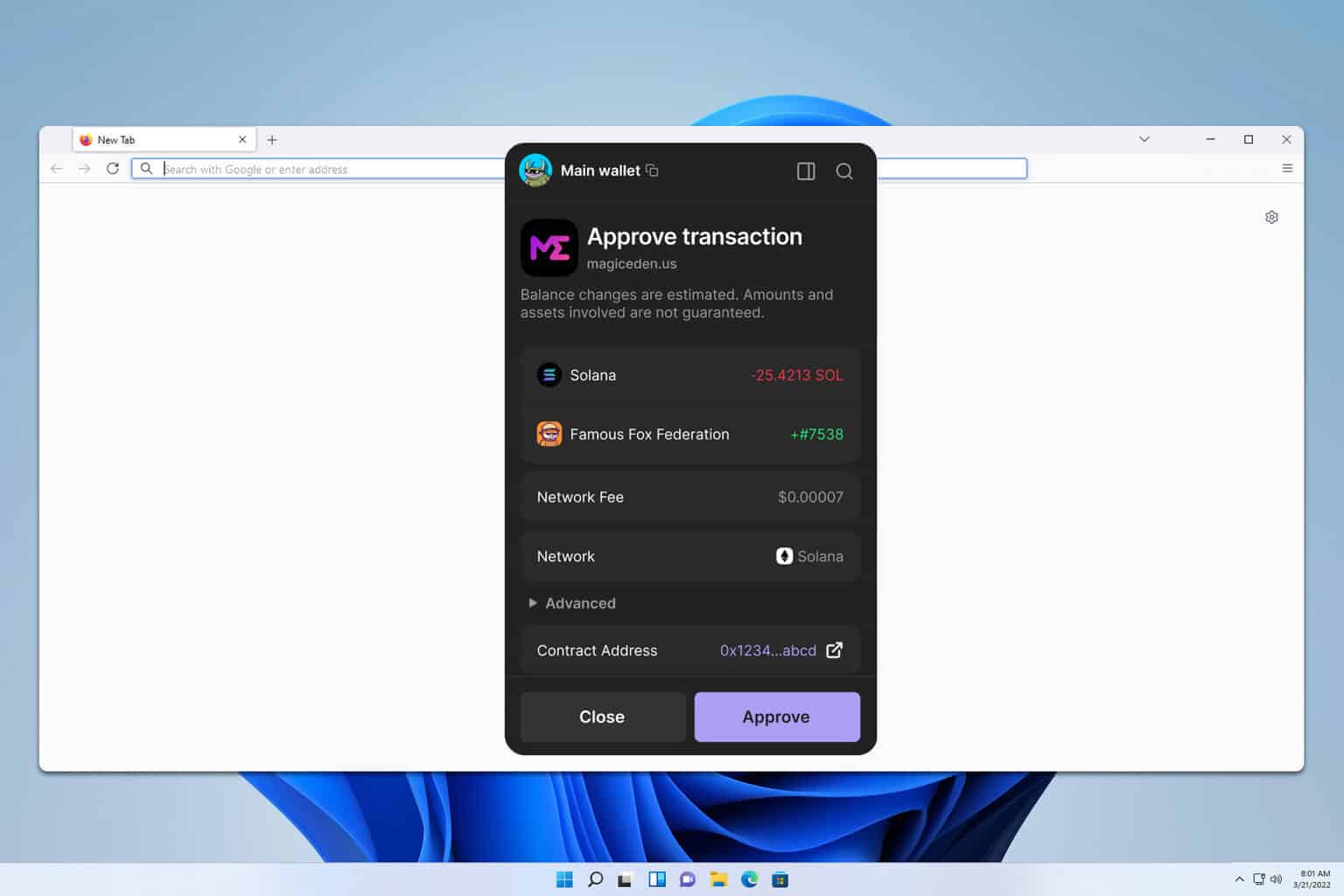
Something felt off about a few UX decisions early on—some permission prompts were ambiguous. Initially I thought “just accept,” but then realized: take a breath, read the request. Actually, wait—let me rephrase that: don’t rush approvals. On one hand the extension asks for only what it needs, though actually some dApps try to request broad permissions and you should reject if unsure. My working rule: if a site asks to drain funds or request full account control for no clear reason, close the tab. Seriously.
For DeFi users, Phantom handles token accounts automatically. That is huge on Solana because many wallets require manual token account creation. Phantom creates token accounts for you and shows balances cleanly. It’s a quality-of-life feature you’ll forget you loved—until you use another wallet and then remember why Phantom was nicer.
Security, Habits, and Practical Advice
Security is mostly user behavior. The extension stores keys encrypted locally. If your machine is compromised, keys can be at risk. Hmm… that sounds obvious, but I see people treat browser wallets like mobile apps—less caution. Your recovery phrase is the last line of defense. Write it down. Keep it offline. Do not store it in cloud notes. Ever.
Use a strong, unique password for the extension lock. Yes, the seed phrase protects you, but an extra password can slow down a quick exploit. Consider a hardware wallet for large holdings; Phantom supports ledger devices, so you can use the extension as a convenient interface while keeping keys offline. Initially I thought hardware was overkill, but after testing it with larger balances my view changed.
One practical tip: set small daily-use accounts for active trading or gaming and reserve the main stash in a hardware-secured wallet. On a personal note, that segmentation reduced my anxiety while clicking through experimental dApps—because if a new site asks for signing, it’s signing a small account, not my whole life savings. Life hack, right?
How Phantom Works with dApps and DeFi
Connecting to a dApp is usually a popup and a prompt inside Phantom asking you to approve. The extension exposes only what the site requests—public key and transaction approvals—so you get to review each action. That review step matters. My instinct is to skim, but then I slow down to check amounts and destinations. On a couple of occasions I caught suspicious requests and canceled them. Good thing.
For builders, Phantom offers a clean developer API and is fairly predictable. It injects a provider into the page, and devs can request wallet connect and sign transactions. For users that means fewer “why won’t this work?” moments when using new Solana apps. Though, compatibility isn’t perfect across every experimental project—some newer transaction formats or custom signing flows can require updated wallets or additional confirmations.
Common Issues and Quick Fixes
Broken dApp connections—try refreshing your tab, reconnecting the wallet, or clearing the site’s connection list in Phantom. Lost tokens because of wrong network or token mint—double-check the mint address before interacting. If something looks off, pause. Don’t be that person who panics and clicks through prompts.
If you lose access to Phantom because of a forgotten password, the recovery phrase is the only rescue. No, seriously: make backups. And yes, I said that twice because it’s that important. For ledger or hardware users, firmware updates and using official apps are important. Sometimes people skip firmware updates and then get puzzled why the device won’t sign. Update, test, then use. Sounds basic, but it trips people up.
FAQ
Is Phantom safe for beginners?
Yes—if you follow good security hygiene. It’s user-friendly and well-audited by community eyes, but the biggest risk is user error. Keep your seed phrase offline and consider a hardware wallet for larger amounts.
Can I use Phantom for staking SOL?
Absolutely. Phantom supports staking through an integrated interface; you can delegate to validators directly. Compare fees and validator reputation before you stake, though—some opt for higher-performance validators while others choose lower fees.
What if a site asks for too many permissions?
Decline the request. Disconnect and investigate. If it’s a legitimate app it will explain why it needs that level of access. If it doesn’t, assume caution and move on—your wallet is not a free-for-all.
Leave a Reply